
The box is unpacked, the brand new blender rests on the kitchen counter, and everything is fine. The story ends here for most consumers. The foam inserts are either put into the recycling bin or the garbage can, and that’s that. For the companies responsible for delivering the goods and picking up the leftovers, however, the story is just starting.
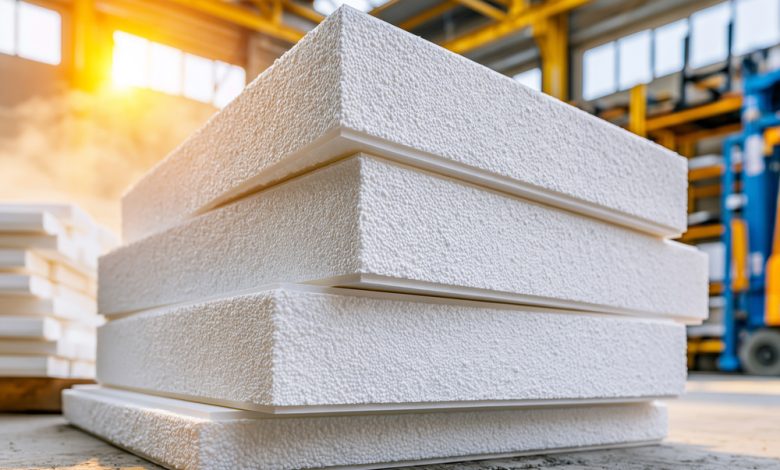
Expanded polystyrene (EPS) is among the most common materials for protective packaging in the U.S. It is light, cheap to transport, and highly shock-absorbent. These very features make it hard to dispose of after fulfilling its primary purpose. Due to having the composition that consists of approximately 98 percent air, the bag with EPS waste is practically weightless, although occupying a significant amount of space in the truck or landfill.
Can Expanded Polystyrene Be Recycled?
Yes, it can, and it’s actually very easy. The process involves collecting EPS waste, shredding it, and then passing it through a densifier that compresses the foam and removes the air. This results in a dense brick or log that can be sold and reused to create products like picture frames, crown molding, or even EPS packaging again.
The problem is the lack of access to recycling facilities. Many curbside programs in the U.S. do not accept foam. Thus, homeowners are to deliver the material to the designated location themselves. Some manufacturers and distributors collect EPS regularly from consumers, while some cities organize foam collections a couple of times per year. The important point to keep in mind here is that the material has to be clean and dry. Taped pieces, labeling and food residues may result in shipment rejection.
Is There Such a Thing as Biodegradable Foam?
Conventional EPS does not biodegrade within any practical timeframe. Nevertheless, in recent years, companies such as Epsilyte have started producing biodegradable EPS packaging alternatives for products that are likely to be discarded in landfills. According to the company, their version made with EVRgreen technology broke down by more than 90 percent over four years in a lab test (ASTM D5511) that simulated wet, biologically active landfills. Of course, landfill conditions vary, so results will differ.
These details matter a lot. According to the FTC Green Guides, unqualified claims about the product being “biodegradable” should be avoided. Several U.S. states, like California, have strict regulations regarding how plastic products should be marketed. Any manufacturer planning to use “biodegradable” marking on its products is to consult with lawyers first.
What Options Do Shippers Have Right Now?
The first thing to do is to reduce EPS consumption as much as possible. Good inserts protect the products with thin walls, while smaller boxes mean less space to be filled. Easy to say, difficult to accomplish for those companies selling hundreds of products from one catalogue. Nevertheless, the savings can add up across repeated shipments.
The second thing to do is to help consumers get rid of EPS. Simply placing a note in the box about how to recycle foam or putting a drop-off locator link may turn out to be very effective.
It is also worth asking suppliers about the recycled content of the product. Many molders are able to incorporate a portion of recycled EPS.
Conclusion
Ensuring the product reaches the customer safely is only part of the picture. The way packaging is discarded is attracting increasing attention from consumers, retailers, and lawmakers. Recycling, good design and innovative materials come to help. The companies that consider the future of the packaging at the very beginning of its life will certainly win the race.