
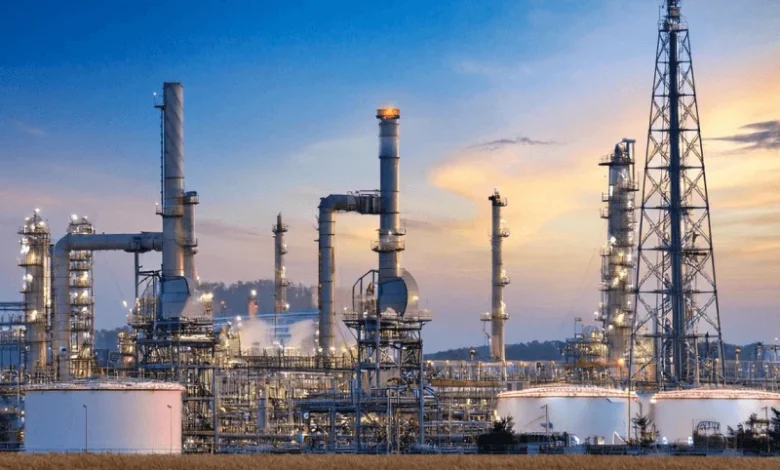
The oil and gas industry is crucial to the global economy, providing energy and raw materials that fuel modern society. To keep operations running smoothly, equipment reliability is essential, as machinery in this sector often operates in extreme conditions. Whether it’s high temperatures, corrosive substances, or high-pressure environments, ensuring that this equipment remains in optimal condition requires diligent maintenance practices. In this post, we’ll explore some of the key strategies used to ensure equipment reliability in the oil and gas sector.
The oil and gas industry deals with numerous environmental stressors, from high temperatures to abrasive substances in natural gas and crude oil. To ensure that equipment performs efficiently, regular maintenance is crucial. Preventing failures and unplanned downtime requires proactive strategies to address potential issues before they cause disruptions.
Preventive maintenance (PM) is one of the primary approaches. This method involves scheduling regular maintenance based on operational hours or time elapsed. By consistently checking, repairing, and replacing worn-out parts, PM helps reduce the likelihood of sudden breakdowns. However, without careful planning, PM may lead to excessive or insufficient maintenance, depending on equipment usage.
To improve upon traditional PM, predictive maintenance (PdM) has gained traction in the industry. This approach integrates condition-monitoring tools and data analytics to predict equipment failures before they happen. By analyzing real-time data, technicians can identify wear patterns and determine the optimal time for repairs or replacements. Predictive maintenance is more cost-efficient than PM, as it reduces unnecessary tasks while avoiding sudden downtime.
Another critical aspect of maintenance in the oil and gas industry is addressing corrosion. Corrosion can significantly shorten the lifespan of equipment, leading to expensive repairs and even catastrophic failures. A well-structured corrosion management program focuses on design, operational practices, and maintenance strategies to prevent corrosion and prolong asset life. This approach can drastically reduce long-term costs and improve the safety of operations.
As technology advances, maintenance practices continue to evolve. By incorporating innovative tools and strategies, oil and gas companies can improve equipment reliability, reduce downtime, and maintain operational safety.
For more detailed information on maintenance practices in the oil and gas sector, please refer to the accompanying resource. Courtesy of Smartcorr Systems, a provider of an exceptional cathodic protection system.