
When it comes to purchasing foam insulation or foam packaging, people usually pay attention to the price tag. With construction budgets under pressure, a cheap quote is an obvious way of saving some cash. But as the saying goes, what costs the least today might end up costing the most in the future. Indeed, the lowest price listed on the invoice is not always the lowest price.
There are various expanded polystyrene products, including wall and roof insulation, concrete forms, geofoam and protective packaging. At first glance, every block of white foam looks the same. Once the product is cut, installed, or loaded, differences occur, and returning the foam to the supplier is often not feasible.
What Are the Hidden Costs of Low-Quality Foam?
The main problem is the inconsistency of the materials. Usually, foam made from low-grade and improperly stored beads may be inconsistent in density between lots. A product that is not dense enough cannot achieve the required R-value or compressive strength. Of course, nobody would notice that in the case of some school craft project. But if the product is used for insulation under a concrete slab or a warehouse roof, the story changes.
Another hidden cost is the wastage of boards because of poor bead fusion: the board tends to crumble around the edges once cut. Also, foam that arrived deformed or warped usually ends up in the garbage skip. Therefore, each board that goes to waste results in lost money, and it requires a certain amount of time to dispose of it.
Failure to pass inspection may add costs to the total expenditure as well. As a rule, most building codes require foam plastic insulation to be certified regarding fire safety standards. Here, the inspector would probably ask for a certificate. If the inspection fails, you will need to spend some time looking for a replacement. And callbacks would be even worse, since they also mean losses in terms of reputation.
Why Should You Choose the Right Supplier?
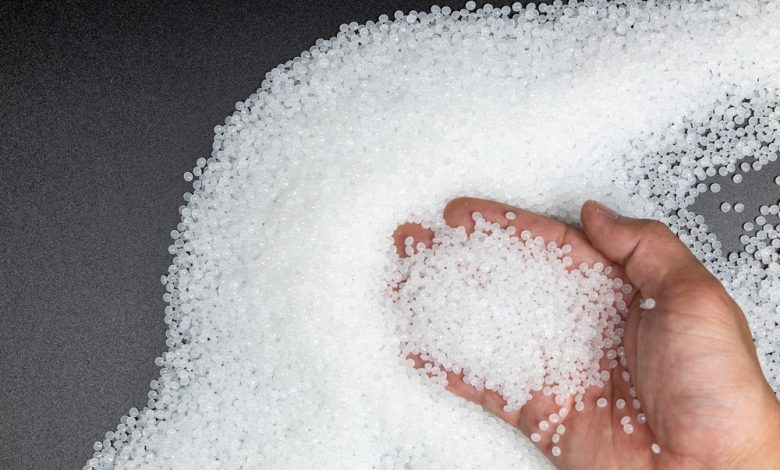
What you should consider is the fact that the quality of any EPS product depends not only on the manufacturing process but on the beads used as well. Molders who purchase from a dependable EPS bead manufacturer that USA builders already trust usually experience significantly fewer issues related to density, fusion, and fire retardant performance. Companies like Epsilyte, produce EPS beads for molders across the States according to strict standards. In addition, it prevents the long delivery times associated with imported materials, which many contractors recognise today.
How to Save Your Time and Money?
Before making your order, ask your seller where they purchase the foam and the beads. It is also important to ask about the code compliance documents, and whether the material meets the any possible problems with their products. When you’re short on time, it’s easier said than done, but making a few calls might prevent future problems.
Naturally, you should consider the total cost rather than just the price per board. You need to take into account the delivery cost, wastage, labor cost, and any potential expenses that might come up if the work has to be redone.
Conclusion
Using low-quality foam might appear to be a good method to save money. However, when you consider the potential losses caused by wastage, delays, and rework, the original price difference might end up being insignificant. Higher quality material, can cost less overall when it reduces waste, delays and rework. Most builders are willing to pay a bit extra for the peace of mind.