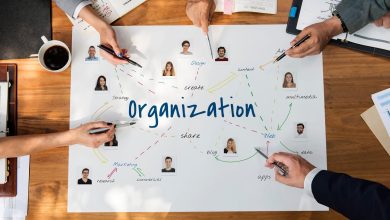

An organization is a fundamental entity within the business ecosystem, designed to coordinate resources, people, and processes to achieve specific objectives. Organizations form the backbone of the economy, ranging from small startups to multinational corporations, non-profit entities, and government institutions. Understanding organizational structure, strategy, and operational mechanisms is critical for leaders, employees, and stakeholders aiming to optimize performance, drive innovation, and achieve long-term success.
Defining an Organization
An organization can be defined as a structured group of individuals working collaboratively toward common goals, guided by rules, systems, and processes. It provides a framework for resource allocation, decision-making, and accountability while facilitating communication and coordination across functions.
Core Objectives of Organizations
- Goal Achievement: Organizations aim to accomplish strategic, operational, and financial objectives efficiently.
- Resource Optimization: Ensuring effective use of human, financial, and technological resources.
- Coordination and Collaboration: Streamlining interactions between departments, teams, and external stakeholders.
- Innovation and Adaptation: Encouraging continuous improvement and responsiveness to market dynamics.
- Social Responsibility: Many organizations integrate sustainability and ethical practices into operations.
Types of Organizations
Organizations vary based on ownership, operational purpose, and sector focus. Selecting the right type influences governance, decision-making, and operational strategy.
Based on Ownership
- Private Organizations: Owned by individuals or shareholders, typically profit-driven and market-oriented.
- Public Organizations: Operated by governments or public entities to provide essential services.
- Non-Profit Organizations (NPOs): Focused on social, educational, or charitable objectives rather than profit generation.
- Hybrid Organizations: Combine elements of profit and social impact, balancing commercial goals with societal contributions.
Based on Sector and Function
- Commercial Organizations: Engage in trade, manufacturing, or services to generate revenue.
- Educational and Research Institutions: Provide knowledge, training, and innovation for societal and industrial advancement.
- Healthcare Organizations: Deliver medical services, patient care, and public health initiatives.
- Community and Advocacy Organizations: Focus on social welfare, policy influence, or grassroots initiatives.
Organizational Structure
The internal structure of an organization determines how tasks are allocated, communication flows, and authority is distributed. Structure significantly influences efficiency, collaboration, and adaptability.
Hierarchical Structure
Traditional organizations often employ hierarchical models with multiple layers of management.
- Top Management: Executives and directors define strategic direction, policies, and long-term goals.
- Middle Management: Supervisors and department heads translate strategy into operational plans.
- Operational Staff: Employees responsible for executing tasks and interacting directly with customers or clients.
Flat Structure
Flat organizations minimize hierarchical layers, fostering open communication, collaboration, and faster decision-making. This structure is common in startups and creative industries, enabling agility and employee empowerment.
Matrix Structure
Matrix structures integrate functional and project-based reporting lines, allowing cross-departmental collaboration and resource optimization. While effective for complex projects, it requires careful coordination to avoid conflicts.
Team-Based Structure
Team-based structures emphasize autonomous groups responsible for achieving specific objectives. Teams collaborate closely, share accountability, and adapt rapidly to changes, enhancing innovation and responsiveness.
Nonprofit teams often work in these collaborative groups to manage their fundraising goals. These departments rely on accurate data to identify potential donors and plan their outreach. Many groups look at how iWave stacks up against Windfall to decide which software provides the best insights. Having the right wealth screening tool helps a team focus their efforts on the most promising leads. This approach makes the entire organization more efficient in its mission.
Organizational Culture
Culture encompasses the shared values, beliefs, and behaviors that shape how employees interact and make decisions. A strong organizational culture promotes engagement, productivity, and alignment with strategic goals.
Elements of Organizational Culture
- Values and Ethics: Core principles guiding decision-making and conduct.
- Norms and Behaviors: Expected ways of working, interacting, and problem-solving.
- Communication Patterns: Formal and informal channels that facilitate information flow.
- Innovation Orientation: Encouraging creativity, experimentation, and continuous improvement.
Impact of Organizational Culture
- High employee morale and engagement
- Increased productivity and efficiency
- Improved retention and talent attraction
- Enhanced brand reputation and stakeholder trust
Organizational Strategy
Strategy defines how an organization positions itself in the market, allocates resources, and achieves competitive advantage. Effective strategy integrates vision, mission, and objectives into actionable plans.
Key Strategic Components
- Vision and Mission Statements: Provide purpose, direction, and long-term aspirations.
- SWOT Analysis: Identifies strengths, weaknesses, opportunities, and threats to guide decision-making.
- Goal Setting and KPI Tracking: Establishes measurable objectives and benchmarks for performance evaluation.
- Innovation and Growth Initiatives: Encourages product development, process improvement, and market expansion.
Strategic Management Approaches
- Top-Down Planning: Executives define objectives and communicate priorities to teams.
- Bottom-Up Planning: Employees contribute insights and feedback, enhancing engagement and alignment.
- Agile Strategy: Iterative planning and execution allow rapid adaptation to market changes.
Operational Management within Organizations
Operations form the core of organizational performance, ensuring resources are used efficiently and objectives are met.
Process Management
- Workflow Design: Structuring tasks and responsibilities for efficiency.
- Standard Operating Procedures (SOPs): Clear guidelines to maintain quality and consistency.
- Performance Monitoring: Tracking key metrics to identify bottlenecks and areas for improvement.
Resource Management
- Human Resources: Recruitment, training, performance evaluation, and talent development.
- Financial Resources: Budgeting, cost control, investment planning, and financial reporting.
- Technological Resources: Implementing software, hardware, and digital tools to enhance productivity.
Quality Assurance
- Continuous Improvement: Implementing feedback loops, process optimization, and innovation initiatives.
- Compliance and Standards: Adhering to industry regulations, legal requirements, and quality certifications.
Organizational Change and Adaptation
Adaptability is crucial in dynamic markets. Organizations must respond to technological advances, economic shifts, and societal expectations.
Change Management Strategies
- Communication Plans: Clear messaging to employees and stakeholders.
- Training and Development: Equipping teams with skills for new processes or technologies.
- Stakeholder Engagement: Involving employees, customers, and partners in the transition process.
- Monitoring and Evaluation: Assessing impact and making necessary adjustments to ensure success.
Technology-Driven Adaptation
- Digital Transformation: Integrating AI, cloud computing, and automation into processes.
- Data-Driven Decision Making: Leveraging analytics and business intelligence for informed strategies.
- Remote and Hybrid Work Models: Managing distributed teams efficiently while maintaining productivity and culture.
Challenges Facing Modern Organizations
Organizations face a range of challenges requiring proactive management and strategic foresight.
- Global Competition: Maintaining relevance in increasingly competitive international markets.
- Talent Management: Attracting, retaining, and developing skilled employees.
- Regulatory Complexity: Navigating legal, environmental, and industry-specific regulations.
- Economic Volatility: Adjusting to market fluctuations, inflation, and geopolitical risks.
- Technological Disruption: Staying ahead of innovation cycles and integrating emerging tools effectively.
Real-World Organizational Examples
- A multinational technology organization implemented agile structures and cross-functional teams, reducing product development cycles by 30%.
- A healthcare organization integrated digital patient management systems, improving service efficiency and patient satisfaction.
- A non-profit organization leveraged data analytics for program effectiveness, enhancing community impact and resource allocation.
These examples demonstrate how strategic planning, organizational design, and technological integration contribute to measurable success.
The Future of Organizations
Organizations are evolving to meet the demands of technological innovation, globalization, and social responsibility.
Emerging Trends
- Agile and Adaptive Structures: Emphasizing flexibility and rapid response to market shifts.
- Sustainability Integration: Embedding environmental and social responsibility into core operations.
- Data-Driven Management: Utilizing analytics for strategic and operational decisions.
- Employee-Centric Approaches: Prioritizing well-being, professional growth, and engagement to boost performance.
- Global Collaboration: Cross-industry and cross-border partnerships driving innovation and market expansion.
Conclusion
Organizations are complex, dynamic entities that structure human, financial, and technological resources to achieve specific objectives. Effective organizational design, strategic management, operational efficiency, and adaptive culture are essential for success in today’s competitive and rapidly evolving environment. Organizations that embrace innovation, sustainability, and employee empowerment are better positioned for long-term growth and impact.
Frequently Asked Questions (FAQ)
What are the primary types of organizations?
Organizations include private, public, non-profit, and hybrid entities, each with distinct objectives, governance structures, and operational priorities.
How does organizational culture affect performance?
Culture shapes employee behavior, motivation, and collaboration, directly influencing productivity, retention, and overall organizational success.
What is the difference between hierarchical and flat structures?
Hierarchical structures have multiple management layers and clear authority lines, while flat structures reduce layers to encourage collaboration, flexibility, and faster decision-making.
Why is strategic management important in organizations?
Strategic management aligns organizational resources, goals, and initiatives, enabling competitive advantage and long-term growth.
How can organizations adapt to technological change?
By implementing digital transformation, leveraging data analytics, training employees, and integrating emerging tools into processes and decision-making.
What role does operational management play in organizations?
Operational management ensures efficient resource utilization, quality assurance, workflow optimization, and alignment with organizational objectives.
How do organizations maintain stakeholder trust?
Through transparent governance, ethical practices, social responsibility initiatives, and consistent delivery of quality products or services.
This comprehensive analysis provides an in-depth understanding of organizations, emphasizing their structure, strategy, operations, and adaptability in a dynamic and competitive global environment.