
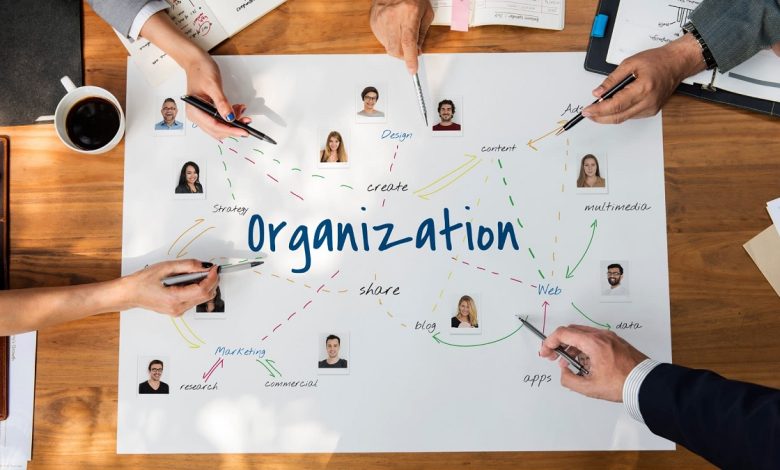
An organization is a structured group of people working together to achieve shared objectives. Organizations exist in almost every part of society, including business, education, healthcare, government, community services, and professional sectors. While their purposes may differ, successful organizations generally depend on clear goals, effective leadership, good communication, and efficient use of resources.
A well-organised workplace allows employees to understand their responsibilities and work towards common outcomes. Without proper structure, even talented teams can experience confusion, delays, duplicated work, and poor decision-making. Strong organizational practices therefore provide an important foundation for long-term performance.
What Is an Organization?
An organization brings people, resources, processes, and responsibilities together in a coordinated way. In a business environment, an organization may be created to provide products or services, serve customers, generate revenue, or achieve specific commercial goals.
Organizations can vary considerably in size. A small company may have a simple structure where employees handle several responsibilities, while a large organization may have multiple departments, managers, and specialised teams.
Regardless of size, every organization benefits from knowing what it wants to accomplish and how its people will contribute.
The Importance of Clear Goals
Clear goals provide direction. When employees understand what an organization is trying to achieve, they can make better decisions and prioritise their work.
Goals may involve:
- Improving customer satisfaction
- Increasing productivity
- Expanding into new markets
- Developing new products
- Reducing unnecessary costs
- Improving employee performance
Goals should be realistic and measurable whenever possible. Managers can then review progress and determine whether current strategies are producing the desired results.
Creating an Effective Organizational Structure
An organizational structure defines how responsibilities and authority are distributed. It helps employees understand who they report to, what they are responsible for, and how different departments work together.
A clear structure can prevent confusion and make decision-making more efficient. It can also help organisations identify areas where responsibilities overlap or where important tasks have no clear owner.
The right structure depends on the organization’s size, industry, goals, and operating style. A structure that works well for a small team may not be suitable for a large and complex organisation.
The Role of Leadership
Leadership has a significant influence on organizational performance. Good leaders provide direction, make informed decisions, support employees, and encourage collaboration.
Effective leadership is not simply about authority. It also involves listening to employees, understanding challenges, providing useful feedback, and creating accountability.
Leaders should communicate expectations clearly and ensure that employees have the resources needed to complete their responsibilities. When leadership is consistent and professional, employees are more likely to understand their roles and contribute effectively.
Communication Within an Organization
Communication connects different parts of an organization. Employees need accurate information to complete tasks, solve problems, and make decisions.
Poor communication can result in misunderstandings, missed deadlines, duplicated work, and unnecessary conflict. For this reason, organizations should establish clear communication methods that suit their teams.
Regular meetings, written updates, collaborative tools, and direct discussions can all support better communication. Employees should also have opportunities to share concerns and suggestions.
Good communication is not only about delivering information. It is also about listening and ensuring that important messages are understood.
Managing People Effectively
People are one of the most important resources in any organization. Employees bring different skills, experiences, and perspectives that can contribute to business success.
Effective people management includes recruitment, training, performance development, recognition, and workplace support.
Organizations should also create opportunities for employees to learn new skills. Professional development can help workers adapt to changing responsibilities while improving the organisation’s overall capabilities.
A positive workplace culture can encourage teamwork and reduce unnecessary employee turnover.
Using Resources Wisely
Every organization has limited resources. These may include money, employee time, equipment, technology, materials, and physical space.
Good management involves allocating these resources according to priorities. Businesses should avoid unnecessary spending while ensuring that important projects receive adequate support.
Efficient resource management can improve productivity and help organisations achieve more without creating unnecessary costs.
Technology and Modern Organizations
Technology has changed how organizations operate. Digital tools can support communication, project management, customer service, financial activities, data analysis, and many other functions.
Automation can reduce repetitive work, while digital information systems can help managers make decisions more quickly.
However, technology should be introduced carefully. Employees need suitable training, and organisations should choose tools that solve real problems rather than adding unnecessary complexity.
Adapting to Change
Organizations operate in changing environments. Customer preferences, technology, competition, economic conditions, and industry requirements can all influence how an organization works.
An adaptable organization regularly reviews its methods and looks for opportunities to improve. Change may involve introducing new services, updating internal processes, restructuring teams, or adopting new technology.
Employees are more likely to support change when leaders explain the reasons clearly and provide adequate guidance during the transition.
Building a Strong Organizational Culture
Organizational culture refers to the values, behaviours, attitudes, and working practices that shape the workplace. A strong culture can encourage professionalism, cooperation, accountability, and innovation.
Organizations can build a positive culture by recognising good performance, treating employees fairly, encouraging open communication, and maintaining clear standards.
Culture develops through everyday actions. Leaders and employees both contribute to the environment in which people work.
Measuring Organizational Performance
Organizations need to evaluate their performance regularly. Useful measures can include productivity, customer satisfaction, financial results, employee engagement, quality, and progress towards strategic goals.
Performance information allows managers to identify strengths and areas that require improvement. It also helps organizations make decisions based on evidence rather than assumptions.
Continuous evaluation encourages improvement and keeps teams focused on meaningful objectives.
Conclusion
An organization succeeds when its people, resources, processes, and goals work together effectively. Clear structures, strong leadership, good communication, skilled employees, responsible resource management, and adaptability all contribute to organizational success.
Building a successful organization is an ongoing process. As circumstances change, organisations must be willing to learn, improve, and adjust their approach.
With clear direction and a supportive working environment, an organization can improve efficiency, strengthen relationships, and create a solid foundation for sustainable growth.