
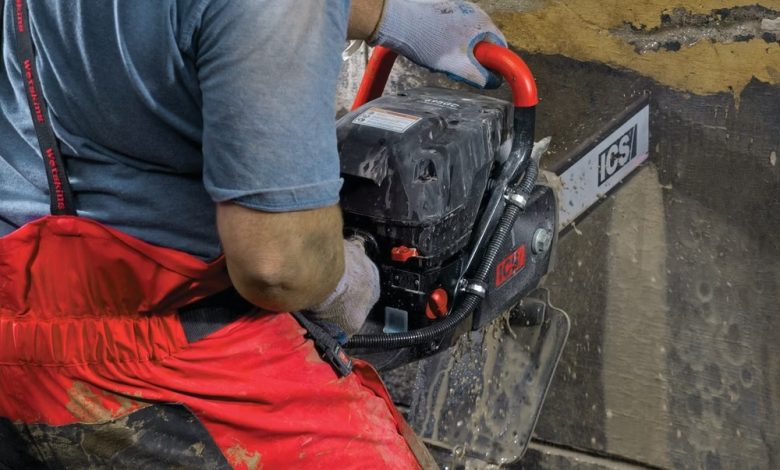
When it comes to achieving optimal performance in chainsaw operation, the choice of chain plays a pivotal role in ensuring both power and precision. Whether you’re a professional logger, a dedicated arborist, or a DIY enthusiast, selecting the right chainsaw chain can significantly influence your cutting efficiency, safety, and overall experience. With a myriad of options available on the market, understanding the nuances of different chains is essential to make an informed decision. Experts in the field emphasize the importance of selecting a chain that not only matches the specifications of your chainsaw but also aligns with the specific tasks at hand—be it felling trees, limbing, or carving. In this article, we delve into the best chains recommended by industry professionals, examining key factors such as tooth design, gauge, pitch, and material composition. By exploring expert insights and recommendations, readers will gain a comprehensive understanding of how to select the ideal chainsaw chain to enhance both power and precision in their cutting endeavors. Whether you seek speed, efficiency, or fine detailing, this guide will equip you with the knowledge necessary to ensure that your chainsaw operates at its highest potential.
– Selecting the Best Chain Type for Chainsaws
When determining the best chain for chainsaw applications, it is essential to consider the specific tasks and conditions under which the chainsaw will be used. Chains are typically categorized into different types, such as standard, skip-tooth, and full chisel, each designed for particular cutting scenarios. Standard chains are versatile and suitable for general purposes, whereas skip-tooth chains allow for faster cutting in larger logs and are ideal for firewood and milling tasks. On the other hand, full chisel chains offer a sharper edge and are particularly effective for cutting softwoods and producing clean cuts, albeit at the expense of durability when used on harder materials.
Additionally, the choice of chain gauge, pitch, and the number of drive links plays a critical role in achieving optimal performance. A properly matched chain ensures that it fits securely on the guide bar, which enhances the overall efficiency and safety of the chainsaw. By thoroughly evaluating the specific requirements of the job and understanding the characteristics of different chain types, users can confidently select the best chain for chainsaw power and precision, ultimately improving their cutting experience and results.
– Expert Recommendations for Chain Brands
When selecting the best chain for chainsaw use, expert recommendations often highlight several reputable brands known for their quality and performance. Brands such as Oregon and Stihl are frequently cited for their durability and cutting efficiency; these manufacturers provide a wide range of chains tailored to various applications and user needs. Oregon’s chains are particularly praised for their balance of sharpness and longevity, making them suitable for both professional and amateur woodworkers. Stihl, on the other hand, offers chains that effectively combine precision engineering with innovative designs that enhance cutting efficiency, especially in demanding environments.
Additionally, experts emphasize the importance of compatibility between the chain and the chainsaw model. It’s crucial to reference the manufacturer’s specifications for pitch and gauge to ensure optimal performance. Using chains that are specifically designed for your chainsaw not only maximizes cutting power but also ensures safety during operation. By following these expert recommendations, users can confidently choose the best chain for chainsaw applications, tailored to their specific cutting tasks and preferences.
– Maintenance Tips for Optimal Chainsaw Performance
Regular maintenance is essential to ensure the longevity and performance of your chainsaw, especially when using the best chain for chainsaw applications. Start by keeping the chain properly lubricated to reduce friction and wear during operation. A well-lubricated chain not only enhances cutting efficiency but also minimizes the risk of overheating, which can lead to premature damage. Additionally, routinely checking and adjusting the tension of the chain will help maintain optimal cutting angles and prevent slippage. A chain that is too loose can lead to decreased efficiency and increased wear, while a chain that is too tight can cause excessive strain on both the chain and the saw itself.
Furthermore, sharpening the chainsaw chain regularly is vital for effective cutting performance. A dull chain can bog down the motor and result in slower, less precise cuts. Using a file or a chainsaw sharpener, ensure that the teeth are evenly sharpened and maintained at the correct angle. Cleaning the chainsaw after each use, including removing debris and sawdust, is also recommended to prevent buildup that could affect performance. By adhering to these maintenance practices, users can maximize the effectiveness of the best chain for chainsaw operations, ensuring that their equipment remains in peak condition for all cutting tasks.
In conclusion, selecting the right chain for your chainsaw is pivotal for achieving optimal power and precision in your cutting tasks. As highlighted throughout this post, expert recommendations emphasize the importance of matching the chain type to your specific needs, whether it be for felling trees, limbing, or precision carving. Factors such as the gauge, pitch, and tooth design play crucial roles in the performance and safety of your chainsaw. By carefully considering these aspects and consulting the insights provided by industry professionals, you can enhance your chainsaw experience, ensuring efficiency and accuracy in every cut. Ultimately, investing in the appropriate chainsaw chain not only improves your results but also contributes to the longevity of your equipment.