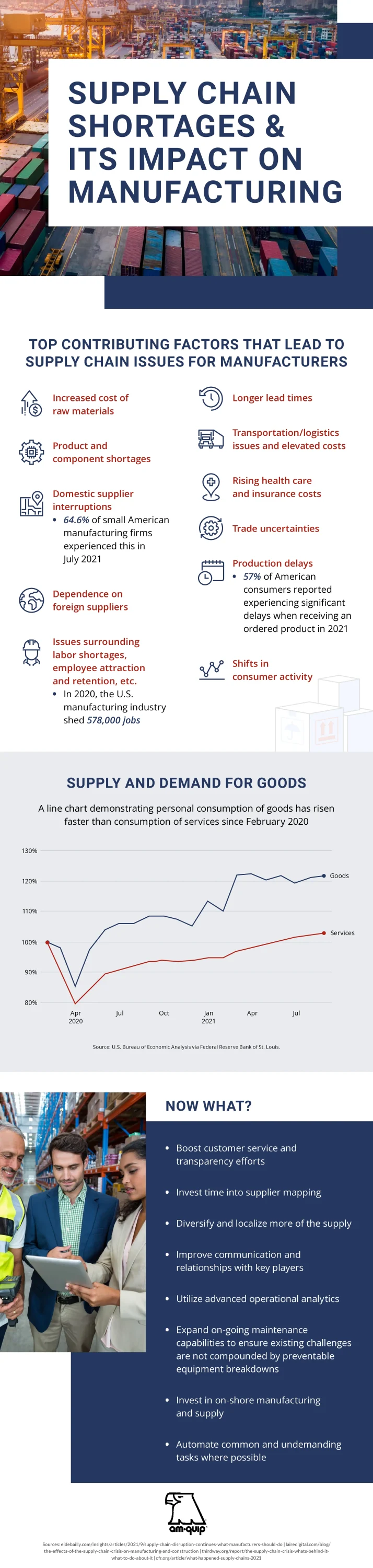
Global supply chains are under immense pressure, with disruptions continuing to impact industries worldwide. In this article, we examine the root causes of the crisis and explore how businesses are responding with innovative strategies to build resilience and efficiency.
Root Causes of Disruption
- Pandemic Fallout
Lockdowns and labor shortages caused significant production delays and trade interruptions. - Surging Demand
A sharp post-pandemic rebound in consumer demand overwhelmed manufacturers and supply systems. - Logistical Bottlenecks
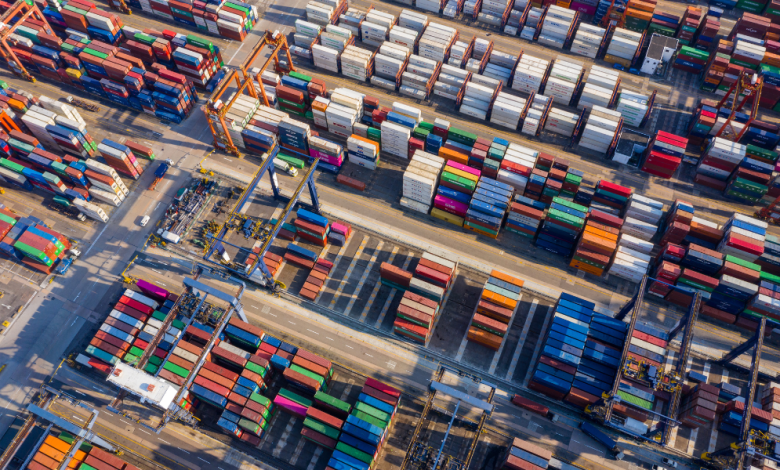
Congested ports and limited transportation capacity created delays that rippled across supply chains.
Business Innovations Driving Recovery
- Localized Production
Nearshoring and reshoring initiatives bring manufacturing closer to demand centers, enhancing flexibility. - Technology Adoption
Tools such as AI, IoT, and predictive analytics are helping businesses optimize workflows and manage disruptions proactively. - Workforce Development
Improved pay, skills programs, and better working environments are addressing critical labor gaps. - Supplier Collaboration
Strengthening partnerships with suppliers fosters greater coordination and shared problem-solving.
A Roadmap for Resilience
Building a resilient supply chain requires businesses to embrace innovation, adaptability, and collaboration. By investing in these strategies, organizations can better navigate challenges and position themselves for long-term success.
For more details, refer to the accompanying infographic provided by American Equipment, a crane repair company.