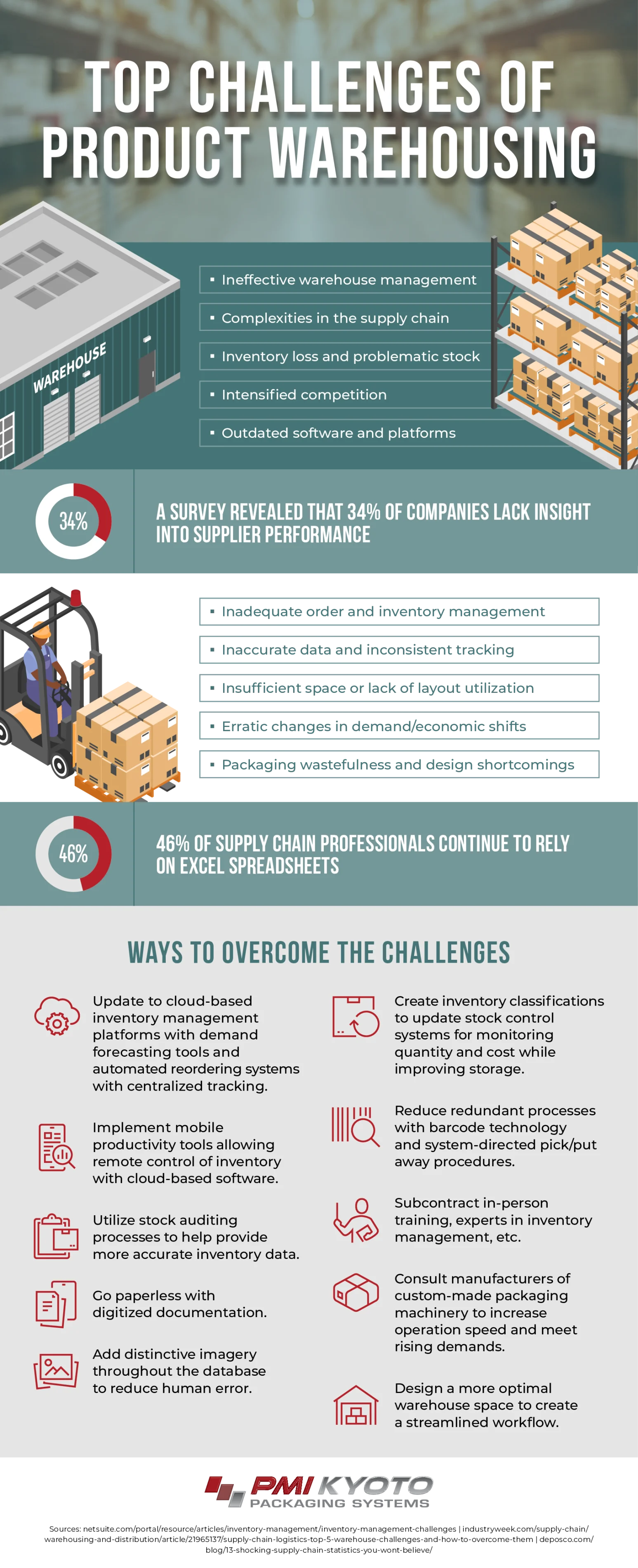
As businesses scale and online shopping continues to grow, many companies are struggling to find adequate warehouse space and maintain efficient logistics. Managing storage limitations, fluctuating demand, and rising costs presents significant challenges, making warehouse optimization more crucial than ever.
Common obstacles include insufficient storage space, unpredictable inventory needs, delays in order fulfillment, and increased operational expenses. These inefficiencies can trigger supply chain disruptions, negatively impacting customer experience and overall profitability. Late shipments, damaged products, and stock inaccuracies are among the key factors that drive customer dissatisfaction.
To address these issues, companies are rethinking their approach to warehouse organization. Implementing smarter storage solutions, upgrading inventory management systems, and improving stock visibility can enhance efficiency and accuracy. Optimized warehouse layouts and tracking technology help reduce errors and streamline workflows.
Strong leadership and real-time monitoring are also critical to overcoming warehousing hurdles. Experienced managers equipped with advanced software and automation tools can make data-driven decisions that improve productivity. Investing in cloud-based logistics platforms can help optimize product selection, pricing strategies, and fulfillment processes, reducing costly inefficiencies.
With labor shortages affecting warehouse operations, automation has become an essential solution. Integrating AI-driven sorting systems, robotics, and automated workflows not only improves efficiency but also simplifies employee training. Many modern warehouse management systems offer step-by-step operational guidance, allowing new hires to adapt quickly while reducing errors.
Adapting to the changing supply chain landscape requires swift action and innovative thinking. Whether addressing warehouse space constraints, enhancing order fulfillment, or implementing automation, businesses must seek scalable solutions to stay ahead. Partnering with logistics experts and leveraging advanced technology can help companies navigate these challenges effectively.
For more details on optimizing warehouse operations and improving logistics strategies, see the accompanying resource courtesy of PMI Kyoto Packaging Systems, a provider of automatic soap packing machines.