As the world increasingly focuses on climate change and resource conservation, the manufacturing industry is stepping up to the challenge by adopting sustainable design practices. With the growing pressure to reduce environmental harm, manufacturers are finding that innovative design and technology are key to creating a greener, more efficient production process.
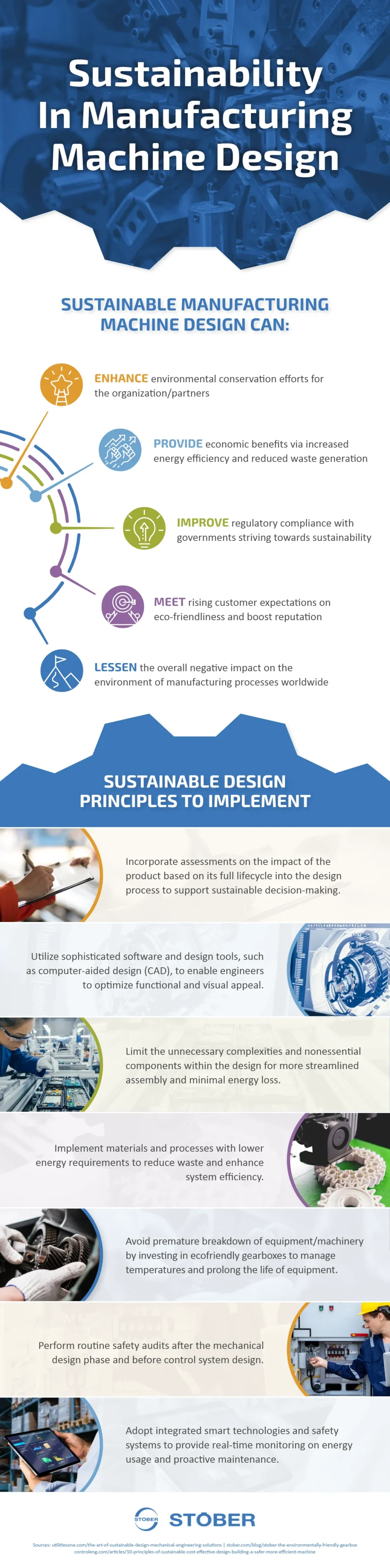
Sustainable design focuses on reducing the environmental impact of products and processes by using fewer resources, generating less waste, and minimizing carbon emissions. This shift in focus begins in the design phase, where manufacturers make conscious decisions to improve sustainability before the production process even begins.
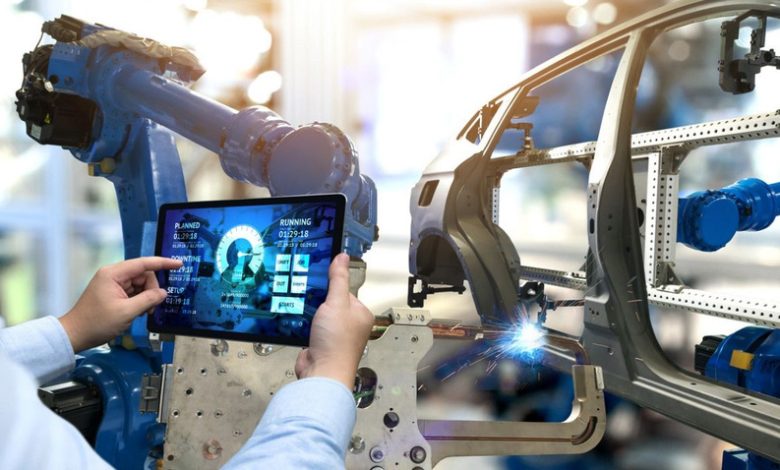
The integration of technologies such as IoT and CAD has made it easier for manufacturers to optimize product designs and production methods. These tools enable manufacturers to reduce waste, improve efficiency, and manage energy consumption more effectively.
Sustainability also involves considering a product’s entire lifecycle. By assessing every phase of the product – from raw material sourcing to disposal – manufacturers can make informed decisions about how to reduce environmental impacts and extend the product’s life.
Additionally, sustainable production methods can include the use of energy-efficient technologies like precision gearboxes. These systems help improve equipment performance, reduce energy consumption, and prolong the lifespan of expensive machinery, contributing to more sustainable manufacturing practices.
To delve deeper into sustainable design practices and their impact on manufacturing, check out the detailed resource. Courtesy of STOBER, a manufacturer of a servo motor with brake that delivers the high levels of performance and reliability.